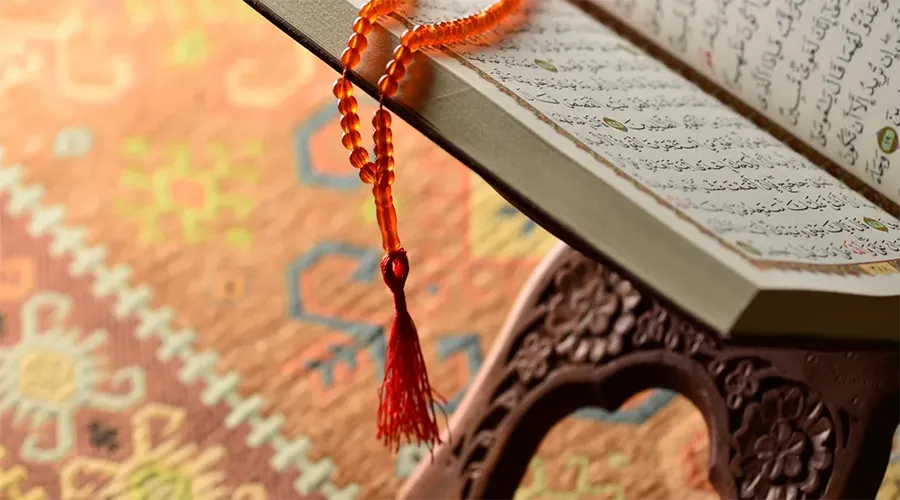
Spiritual healing is a natural approach that looks beyond just physical symptoms. It believes that true healing comes from within — by caring for the heart, mind, emotions, and soul. This idea is found in many cultures and faiths around the world. It’s not tied to any one religion, but rather focuses on the belief that spiritual energy or divine connection can help restore balance and well-being.
This form of healing sees illness not just as a physical issue, but also as a sign of inner imbalance, emotional pain, or disconnection from one’s purpose or faith. Spiritual healing helps people reconnect with their inner self and their Creator (God or a Higher Power), which can bring comfort, strength, and even physical improvement.
There are many ways people practice spiritual healing. These include:
- Prayer or meditation
- Reciting holy texts
- Energy healing or spiritual counseling
- Acts of charity and kindness
- Spending time in nature or silence
- Forgiveness and self-reflection
In Islamic traditions, for example, Qur’an recitation, dua (supplication), and dhikr (remembrance of Allah) are powerful tools that soothe the heart and uplift the soul. These are often used with other healing methods like herbal remedies or energy therapies.
Spiritual healing is not always about “curing” disease, but about finding peace, acceptance, and emotional strength, even during illness or tough times. It helps people heal on a deeper level — by easing emotional pain, reducing stress, and restoring a sense of hope.
One of the greatest strengths of spiritual healing is that it respects personal beliefs and adapts to each person’s journey. It often supports those dealing with chronic illness, grief, depression, or spiritual emptiness.
In simple words, spiritual healing helps reconnect you with your soul, your purpose, and your Creator — bringing light, calm, and healing from within.